
MindVibe Health Resources
Anxiety and Not Eating: Why It Happens and What Helps
Anxiety can shut down your appetite so completely that eating feels impossible. Here's why it happens, how to tell it apart from an eating disorder, and gentle steps that can help you eat again.
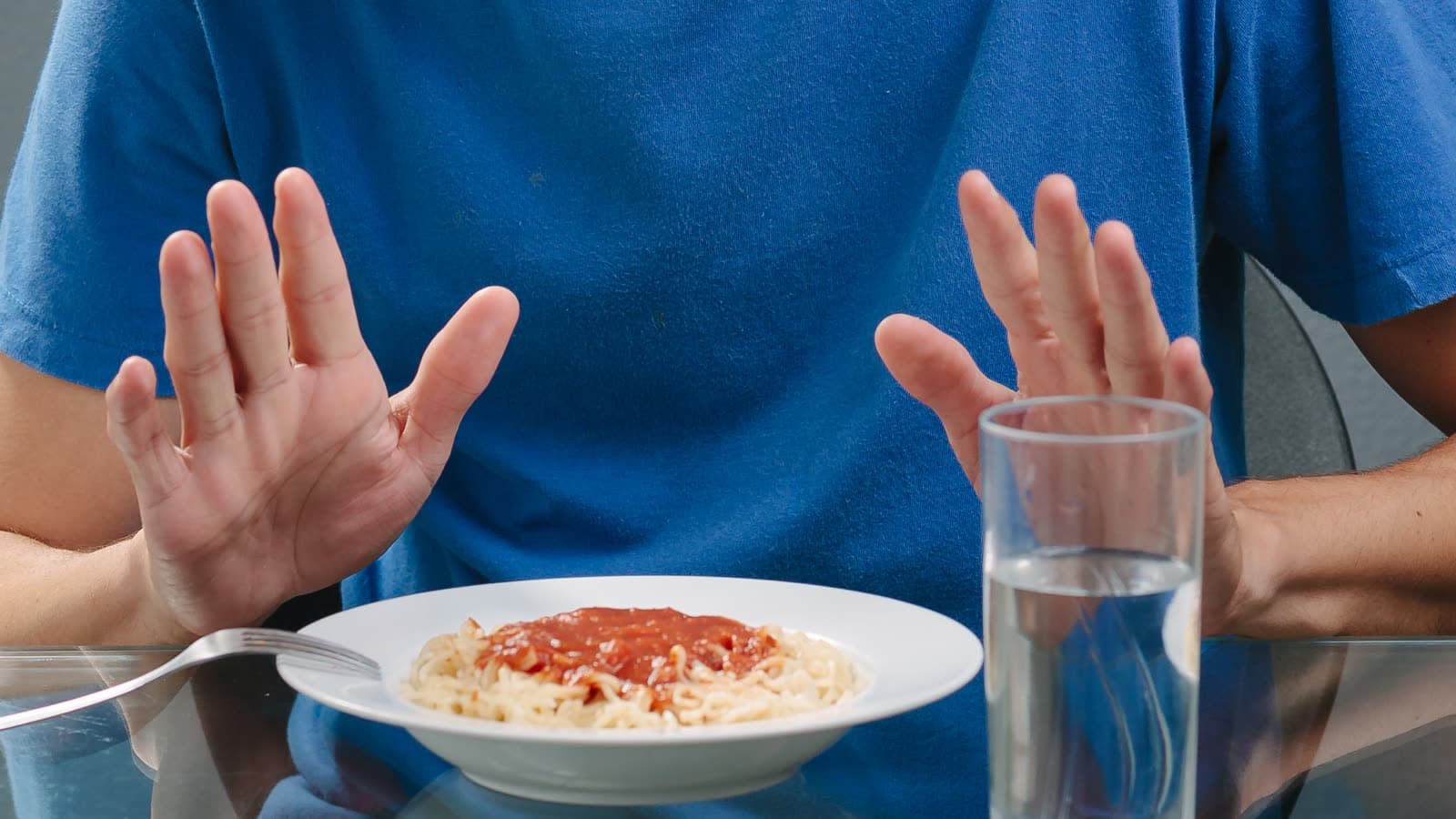
If anxiety is making it hard to eat, you are not broken and you are not imagining it. A body stuck in a stress response pulls energy away from digestion — appetite flattens, the stomach tightens, and food can start to seem unappealing, sometimes outright nauseating. It usually improves as the anxiety itself is treated, and in the meantime there are practical ways to keep yourself nourished.
This article walks through why anxiety and not eating so often go together, when it becomes a medical concern, and what treatment actually looks like.
Why does anxiety make me lose my appetite?
Anxiety is your body's alarm system going off at the wrong moment — firing when there's no real need for it. Once that alarm sounds, the nervous system flips into a threat response, the very same one built to help you escape danger. Digestion doesn't rank high in that state. Blood gets routed to your muscles, stress hormones climb, and the signals that normally say "time to eat" grow quiet — or vanish altogether.
That's why people with anxiety so often describe:
- A knot or tightness in the stomach
- Nausea at the thought or smell of food
- Food tasting like cardboard, or chewing feeling like a chore
- Going hours without eating because hunger cues simply never arrive
- Feeling full after just a few bites
None of this points to something being wrong with the stomach itself. What it means is that your nervous system has decided an ordinary day is an emergency — and your appetite has become a casualty of that false alarm. What usually turns this around is treating the anxiety underneath it, not forcing yourself to "just eat more." That's why a proper evaluation for anxiety treatment is often the most useful first step.
Is it anxiety, or is it an eating disorder?
Few questions here matter more to sort out — and it's one worth working through with a professional, not alone at 2 a.m. with a search engine. A rough way to think about the difference:
Anxiety-related appetite loss usually looks like this: you want to be able to eat normally. You're not afraid of gaining weight; you're frustrated that food feels impossible. Your eating tends to improve on calmer days and worsen during stressful stretches.
An eating disorder typically involves fear of weight gain, preoccupation with body shape or size, rigid rules about food, or a sense of control or relief that comes from restricting.
There is also a condition called ARFID (avoidant/restrictive food intake disorder), where eating is limited because of fear of choking or vomiting, distress about textures, or simple lack of interest in food — without body-image concerns. Anxiety plays a large role in ARFID for many people.
These categories can overlap, and you don't need to diagnose yourself before asking for help. Describing exactly what happens when you try to eat — the thoughts, the physical sensations, what makes it better or worse — gives a clinician most of what they need. If you're ready to talk it through, you can book an initial appointment and let the evaluation do the sorting.
When is not eating because of anxiety dangerous?
Skipping a meal here and there during a stressful week is common. But under-eating for days or weeks is a real medical issue, whatever the cause. Reach out to a medical provider promptly if you notice:
- Noticeable weight loss you didn't intend
- Dizziness, fainting, or near-fainting
- Heart palpitations or feeling your heart race when standing up
- Going a full day or more without meaningful food
- Weakness, trouble concentrating, or feeling cold all the time
And if not eating comes with thoughts of self-harm, hopelessness, or feeling like you can't keep going, please treat that as an emergency, not a footnote. In the United States you can call or text 988, the Suicide & Crisis Lifeline, any time, day or night.
Could something besides anxiety be causing this?
Yes, and this is exactly why an evaluation matters. Appetite loss shows up in many conditions that can look like — or travel alongside — anxiety:
- Depression commonly changes appetite in either direction. If food has lost its appeal and you've lost interest in things you used to enjoy, it's worth exploring treatment for depression as part of the picture.
- ADHD and stimulant medication. Stimulants often reduce appetite, especially at midday. If you take medication for attention problems and eating has become hard, that's a conversation to have with whoever manages your ADHD care — dose timing and meal planning can often fix it.
- OCD. Contamination fears, rituals around food preparation, or intrusive thoughts about choking or being poisoned can quietly restrict what someone eats. Specialized help for obsessive-compulsive symptoms addresses the root rather than the symptom.
- Trauma. For some people, eating itself is tangled up with painful memories, or chronic hypervigilance keeps the body in that no-appetite stress state around the clock. Trauma-focused treatment can be what finally lets the nervous system stand down.
- Bipolar disorder. Appetite and sleep often drop sharply during elevated mood episodes. If your reduced eating comes in distinct stretches alongside racing thoughts, little need for sleep, or unusually high energy, mention that specifically — it changes the treatment plan, and it's worth reading about how bipolar disorder is evaluated and treated.
- Medical causes. Thyroid problems, gastrointestinal conditions, infections, and medication side effects can all suppress appetite. A good psychiatric evaluation includes asking about these and coordinating with your primary care doctor when needed.
What can I do right now to eat when I'm anxious?
While you're getting treatment lined up, these strategies help many people bridge the gap. They're about lowering the barrier to eating, not forcing big meals.
Eat by the clock, not by hunger. If anxiety has muted your hunger cues, waiting to feel hungry means waiting forever. Set alarms for small eating times every three to four hours and treat them like medication doses.
Make food smaller and easier. A full plate can feel like a demand your body can't meet. Try half-portions, smoothies, yogurt, nut butter on toast, soup, or a handful of trail mix. Liquid calories often go down when solid food won't.
Choose "safe" foods without guilt. Bland, familiar foods that your anxious stomach tolerates are a win. Nutritional variety can come back later; right now the goal is fuel.
Calm the body before the meal. Five minutes of slow breathing — longer exhale than inhale — before you sit down can take your nervous system out of alarm mode enough for food to feel possible. Eating somewhere low-stimulation, without upsetting news or difficult conversations, helps too.
Watch the caffeine. Coffee and energy drinks suppress appetite and amplify anxiety. If you're running on caffeine instead of food, that loop is working against you.
Don't punish yourself for a skipped meal. Shame spikes anxiety, and anxiety kills appetite. Just aim for the next small eating window.
How is anxiety that affects eating actually treated?
The good news: this is a treatable problem, and treating the anxiety usually restores the appetite. A typical plan may include:
A thorough evaluation. A psychiatric clinician will ask about your anxiety symptoms, eating patterns, weight changes, sleep, mood, medications, and medical history. This is where anxiety gets distinguished from an eating disorder, depression, a medication side effect, or a medical cause.
Therapy. Cognitive behavioral therapy (CBT) is a well-established treatment for anxiety disorders and can directly target food-related fears — for example, gradually rebuilding comfort with eating for someone afraid of nausea or choking.
Medication, when appropriate. Certain medications used for anxiety and depression can reduce the baseline level of physical anxiety that's suppressing your appetite. Your prescriber will discuss options, expected timelines, and side effects — including choosing medications less likely to worsen nausea or appetite problems.
Practical eating support. Sometimes a dietitian joins the team, especially if weight loss has become significant.
Every plan is individualized. If you'd like to see who you'd actually be working with, you can meet the clinicians on our team, and if cost is a worry, our insurance and payment information explains what we accept before you commit to anything.
Frequently asked questions
Can anxiety really make you stop eating completely? Yes. For some people, high anxiety erases hunger cues entirely and makes food feel nauseating. It doesn't mean you're weak or doing something wrong — it's a physical effect of a nervous system stuck in threat mode.
How long does anxiety-related appetite loss last? It varies. For some people it lifts within hours once a stressful event passes; for others with an ongoing anxiety disorder, it persists until the anxiety itself is treated. If it has lasted more than a week or two, or you're losing weight, get evaluated.
Why do I feel hungry but can't eat when I'm anxious? Hunger and the ability to eat run on different systems. Your body may signal that it needs fuel while the stress response simultaneously makes your stomach feel tight or nauseated. Small, easy, bland foods and pre-meal calming techniques often help bridge that gap.
Is it dangerous to skip meals because of anxiety? An occasional skipped meal isn't dangerous for most healthy adults, but a pattern of under-eating can cause dizziness, weakness, poor concentration — and ironically, low blood sugar can make anxiety feel worse, creating a loop. That loop is worth breaking early.
Should I see a therapist or a psychiatrist for this? Either is a reasonable starting point, and many people benefit from both. A psychiatric evaluation is especially useful if the appetite loss is significant, if you're losing weight, if you take medications that might be contributing, or if there may be more than one condition involved.
Can anxiety medication itself affect appetite? Some medications can cause nausea or appetite changes, particularly in the first weeks. This is exactly why prescribing is individualized — tell your prescriber that eating is already hard, and they can factor that into the choice of medication and how it's started.
What should I eat when anxiety makes everything unappealing? Whatever you can actually get down: smoothies, soup, crackers, toast with nut butter, yogurt, bananas, rice. Calorie-dense liquids are your friend when solids feel impossible. Perfect nutrition can wait; consistent fuel can't.
What if I'm also having thoughts of hurting myself? Please don't wait on that. Call or text 988 (the Suicide & Crisis Lifeline) right away, or go to your nearest emergency room. You deserve immediate support, and it is available around the clock.
---
This article is for educational purposes only and is not a substitute for professional medical advice, diagnosis, or treatment. Always talk with a qualified healthcare provider about your specific situation. If you are in crisis or having thoughts of self-harm, call or text 988 to reach the Suicide & Crisis Lifeline, available 24/7.
Frequently Asked Questions
Does not eating cause anxiety?
It can work both ways. Skipping meals drops blood sugar and triggers adrenaline, which feels like anxiety — shakiness, irritability, a racing heart. Chronic anxiety can also suppress appetite, so the two feed each other. Eating on a regular schedule often settles the physical symptoms within an hour. If anxiety persists regardless of meals, or you have lost significant weight, a psychiatric evaluation can clarify whether an anxiety disorder, depression, or another condition needs treatment.
Why does anxiety make it hard to eat?
Fight-or-flight hormones such as cortisol slow digestion and mute hunger signals. Many people feel nauseous, full, or simply uninterested in food during anxious stretches even when they know they need to eat. Small, frequent portions and treating the underlying anxiety — with therapy, medication, or both — usually help appetite return.
Related resources
Ready for anxiety psychiatry support?
MindVibe offers psychiatric evaluation and medication management for anxiety online and in person in Texas and California.