
MindVibe Health Resources | October 14, 2026
Prozac and Zoloft are both SSRIs, but they differ in FDA-approved uses, approved ages, and how long they stay in the body. Here's what those differences mean — and why the choice between them is individual.

MindVibe Health Resources | October 13, 2026
Wellbutrin (bupropion) is not an SSRI and doesn't act on serotonin at all. Here's how it's thought to work, how it differs from SSRIs and stimulants, and what that means if you're taking it or considering it.

MindVibe Health Resources | October 13, 2026
Depression in older adults often hides behind sleep problems, appetite changes, memory complaints, and withdrawal — signs families write off as normal aging. Here is how to tell the difference, and how to help.
MindVibe Health Resources | October 13, 2026
Buspirone is an anti-anxiety medication that isn't a benzodiazepine and isn't a controlled substance. Here's what it's approved for, how it differs from SSRIs and benzodiazepines, and what the label says about teens.

MindVibe Health Resources | October 13, 2026
Starting Lexapro? Here are the side effects people reported most often in clinical trials, which ones often ease, and the symptoms that mean you should call your prescriber right away.

MindVibe Health Resources | October 13, 2026
SSRIs and SNRIs treat many of the same conditions, so how does a prescriber pick one for you? Here's what actually goes into the decision — and the questions worth asking at your appointment.
MindVibe Health Resources | October 13, 2026
Depression doesn't always look like sadness. For many people, especially men and teens, it shows up as a short temper. Here's how to recognize it, how family can respond, and when to seek an evaluation.

MindVibe Health Resources | October 13, 2026
Schizoaffective disorder and schizophrenia share the same psychotic symptoms — the difference is how mood episodes fit into the picture over time. Here is how DSM-5-TR separates the two, why the diagnosis can take a while to settle, and how family can help.

MindVibe Health Resources | October 13, 2026
Irritability, tearfulness, and broken sleep are common during perimenopause — but depression is something different. Here is how to tell them apart, who is at higher risk, and when to seek care.

MindVibe Health Resources | October 13, 2026
A low mood that lifts when the season's stress passes is different from depression that stays for two weeks or more. Here's how to tell them apart, and when it's time to talk to a professional.

MindVibe Health Resources | October 13, 2026
Waking up anxious is common — and usually explainable. Here's why mornings can hit hardest, what helps in the first hour of your day, and when persistent morning anxiety is worth an evaluation.
MindVibe Health Resources | October 13, 2026
Trazodone isn't a controlled substance under federal law. Here's what that does and doesn't mean — its approved use for depression, its off-label use for sleep, and the warnings worth knowing.
MindVibe Health Resources | October 13, 2026
Lexapro is literally the active half of the molecule in Celexa — yet their FDA labels differ on approvals and a heart-rhythm caution. Here's what those differences mean, in plain language.

MindVibe Health Resources | October 13, 2026
Hydroxyzine is a prescription antihistamine, not a controlled substance, that prescribers sometimes use to ease anxiety. Here's what it does, what it doesn't, and what to ask before starting it.

MindVibe Health Resources | October 13, 2026
Trauma can follow you into sleep. Here's why nightmares persist after a frightening event, how they tangle with insomnia, and what evidence-based treatment looks like.
MindVibe Health Resources | October 13, 2026
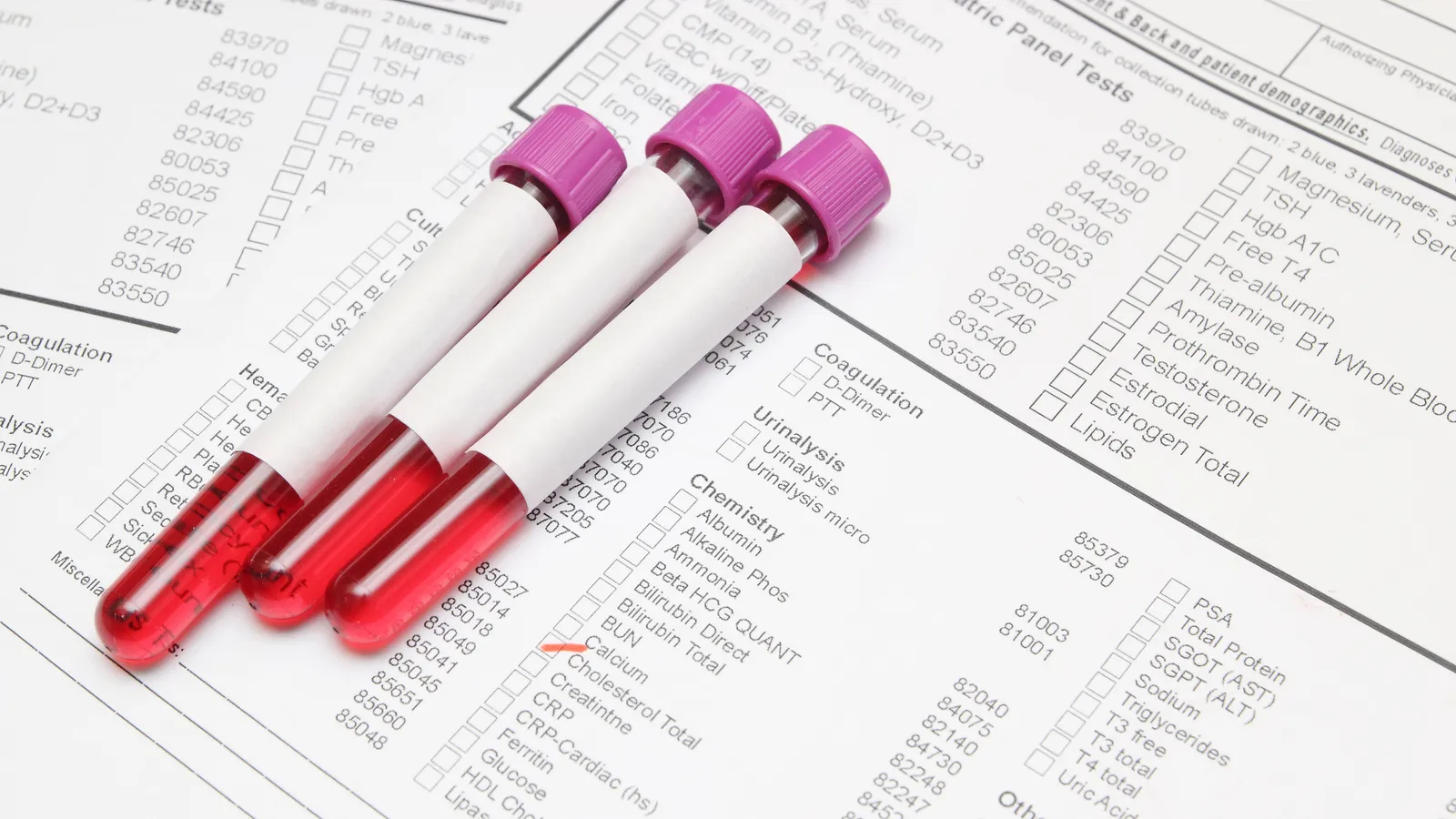
Lithium is one of the most studied medicines for bipolar disorder — and one of the few that requires regular blood tests. Here is why the labs matter, which everyday medicines can interact with it, and why you should never stop it abruptly.

MindVibe Health Resources | October 13, 2026
Trouble concentrating, remembering and deciding is a recognized symptom of depression, not a character flaw. Here's why it happens, what else to rule out, and what helps.

MindVibe Health Resources | October 13, 2026
CBT is a structured, skills-based talk therapy that helps you change the thought and behavior patterns that keep anxiety and depression going. Here's how it works — and how it fits into visits with a psychiatric provider.

MindVibe Health Resources | October 13, 2026
Persistent, hard-to-control worry that spreads across many areas of life — plus restlessness, muscle tension, and poor sleep — can be more than everyday stress. Here is how the DSM-5-TR describes generalized anxiety disorder symptoms and when an evaluation makes sense.

MindVibe Health Resources | October 13, 2026
For Gulf Coast readers: why storm worry can spike with every forecast and linger long after landfall, practical ways to cope during hurricane season, and the signs it may be time for an evaluation.

MindVibe Health Resources | October 12, 2026
Wellbutrin (bupropion) is one of the few antidepressants linked with weight loss rather than weight gain in trials — but it isn't approved for weight loss on its own, and it isn't safe for everyone. Here's what the FDA label actually says.

MindVibe Health Resources | October 12, 2026
Lexapro and Zoloft are both SSRIs, but their FDA-approved uses, approved ages, side effects and interactions differ. Here's how prescribers weigh the choice between them — and what to ask at your next visit.

Medication Management | October 12, 2026
Medication management is the ongoing psychiatric visit after your evaluation, and it is more than a refill. What the provider is weighing, the therapy built into it, and the three sentences that make it useful.
Medication Management | October 12, 2026
Dissociation, dizziness, nausea and a short-lived blood pressure rise are the most common Spravato side effects. Here's when they happen, how monitoring works, and when to call.

MindVibe Health Resources | October 11, 2026
PMS is uncomfortable. PMDD takes over your life for one to two weeks a month, then lifts. Here is how to tell the difference, why two cycles of tracking matter, and what a psychiatric evaluation actually involves.

Depression | October 11, 2026
Standard depression advice assumes you sleep at night and see your doctor on a Tuesday. If you work nights, a rotation or a hitch offshore, here is what actually helps, what to tell a prescriber before any plan is written, and how to keep treatment going when you are away for weeks.

MindVibe Health Resources | October 11, 2026
You can report a side effect without losing a medication that is helping. Here is what to tell your psychiatrist, which medicines you should never stop on your own, and the warning signs that cannot wait for your next appointment.

Insurance | October 11, 2026
An insurance card cannot tell you what a video psychiatry visit will cost — only your plan and the clinic, asked in the right order, can. Here is what the words on the card mean, which number to call first, what to ask your plan and then the clinic, and why doing it before the first visit matters.

MindVibe Health Resources | October 10, 2026
Many people treating depression or anxiety do best with both therapy and medication. Here's why clinicians pair them, and how combined visits with one psychiatric provider work.

MindVibe Health Resources | October 10, 2026
Cyclothymia is a pattern of mild emotional highs and lows that lasts for years and is often mistaken for moodiness. Here is how it differs from bipolar I and II, why it goes unrecognized, and what an evaluation involves.

MindVibe Health Resources | October 10, 2026
Original Medicare Part B covers outpatient psychiatric care, from evaluations to medication management and therapy. Here is what Medicare.gov says you pay, how Medicare Advantage differs, and the questions to ask your plan before you book.

MindVibe Health Resources | October 9, 2026
You still work, parent, and show up — but inside you feel empty. What "high-functioning depression" really means, what clinicians consider instead, and when an evaluation makes sense.

MindVibe Health Resources | October 9, 2026
Hypomania can feel like your best self — less sleep, more energy, faster ideas. Here's how to tell it apart from a good week, why people rarely ask for help during it, and why it changes what good treatment looks like.

MindVibe Health Resources | October 9, 2026
In the middle of a depressive episode, bipolar and unipolar depression can look identical. The difference lives in your history of highs — and it shapes which treatments a prescriber considers first.

Medication Management | October 4, 2026
Since January 2025, the FDA label allows Spravato on its own for adults with treatment-resistant depression. Here is what changed, what didn't, and how insurance plans differ.

Depression | October 3, 2026
Spravato and TMS both treat depression that hasn't improved with antidepressants, but no randomized trial has compared them directly. Here's how they differ on time, side effects, driving and insurance.

Insurance | October 3, 2026
A denied Spravato prior authorization isn't always the last word. Here's why plans say no, how to read your denial letter, and how resubmissions, peer-to-peer reviews and appeals work.

Insurance | October 3, 2026
A plain-English map of Spravato coverage in Texas: prior authorization, commercial plans, Texas Medicaid, Medicare, manufacturer programs and what to gather first.

Adolescent Care | October 2, 2026
You have booked a psychiatric evaluation for your teenager and do not know what the visit looks like. Here is who is in the room, what gets asked, why part of it happens without you, and what you walk away with.

Medication Management | October 1, 2026
Many Coachella Valley residents leave when the heat arrives. Here is how to keep a psychiatric medication plan intact across the move, and the three decisions to make before you pack.

Access to Care | October 1, 2026
Coming back to psychiatric care after a long gap is not starting over. Here is what a prescriber wants to know about the years in between, how to get the old record sent, and what the first visit at the Arroyo Grande office looks like.

Access to Care | October 1, 2026
You left the hospital with a prescription, a short supply and an instruction to follow up with a psychiatrist. Here is the order to do things in this week, what on the discharge paperwork actually matters, and what to do if the pills run out before anyone sees you.

Telehealth | October 1, 2026
How often you see a psychiatric provider depends on where you are in treatment. If the drive to Fresno is what keeps ending yours, this article lays out which visits belong in the room, which belong on a screen, and how to plan a year of treatment you can actually keep.

Depression | October 1, 2026
When the racing mind and the flattened mood show up together, they are rarely two separate problems. Here is how a provider untangles which is driving which, and why treating only the one you mentioned first tends to stall.

Preparing for Care | October 1, 2026
A first psychiatric evaluation asks you to cover years of history in a single visit. Here is when a second person in the room helps, what they should and should not do, and why going in alone is a fair choice too.

MindVibe Health Resources | September 27, 2026
An adult ADHD evaluation is a structured conversation, not a test you can fail. Here is what the interview covers, which rating scales you may fill out, why your childhood matters, and what happens afterward.

MindVibe Health Resources | September 25, 2026
Caffeine produces the same body signals as anxiety, and energy drinks and pre-workout make it easy to take far more than you realize. Here's how to figure out your own threshold and cut back without the withdrawal headache.
MindVibe Health Resources | September 25, 2026
Shyness warms up; social anxiety disorder runs your life. Here is where the line actually falls, what treatment involves, and how to take the first step when the appointment itself feels frightening.

MindVibe Health Resources | September 24, 2026
A straight answer about alcohol and antidepressants: what the combination actually does to your mood, sleep, and side effects — and how to talk to your prescriber about drinking without shame.

MindVibe Health Resources | September 23, 2026
Psychiatrists and psychiatric nurse practitioners are both licensed to diagnose and prescribe, but they train differently and state law shapes how they work. Here's what each one does in Texas and California, and what to ask before your first visit.

MindVibe Health Resources | September 23, 2026
After a loss, grief and depression can look alike. Here is how they overlap, how they differ, what a psychiatric evaluation actually listens for, and when to book an appointment instead of waiting it out.

MindVibe Health Resources | September 22, 2026
Back pain, headaches, and stomach trouble are often the first signs of depression anyone notices. Here's why the pain is real, what's happening in your body, and when the physical symptoms are the reason to see a psychiatric clinician.

MindVibe Health Resources | September 22, 2026
Skipped a dose of your antidepressant, mood stabilizer, or stimulant? Here is the general rule, why doubling up is risky, and when a same-day call to your prescriber matters.

MindVibe Health Resources | September 20, 2026
Watching your partner have a panic attack is frightening, and the instinct to fix it can make things worse. Here is what actually helps in the moment, what to avoid saying, and when to get urgent help.

MindVibe Health Resources | September 20, 2026
In a depressive episode, even tiny choices — what to eat, whether to reply to a text — can feel immovable. Here's why decision-making stalls when you're depressed, and what you can actually do in the next hour.

MindVibe Health Resources | September 16, 2026
Antidepressants can lift depression's worst symptoms and still leave you feeling emotionally flat. Here's how to tell blunting apart from depression itself, what to track, and how to bring it to your prescriber.

MindVibe Health Resources | September 15, 2026
Before a second opinion for depression, a written record of what you've already tried helps a new clinician avoid repeating it. Here is exactly what to write down — and what to do when you can't remember or the records are gone.

MindVibe Health Resources | September 15, 2026
Antidepressants can change desire, arousal, and orgasm — and your prescriber can't help with a problem they don't know about. Here's what to track, how to raise it privately, and what to ask.

MindVibe Health Resources | September 15, 2026
If your prescriber doesn't offer Spravato, a separate evaluation elsewhere is possible — but only if both practices agree to coordinate. Here are the questions to ask each one before anything is scheduled.

MindVibe Health Resources | September 11, 2026
A drink calms anxiety fast — and then your brain overcorrects. Here's how rebound anxiety and broken sleep turn tonight's relief into tomorrow's dread, and what actually helps.
MindVibe Health Resources | September 11, 2026
Stopping an antidepressant abruptly can trigger discontinuation symptoms that are easily mistaken for relapse. Here is why tapering exists, what coming off can feel like, and how to plan it safely with your prescriber.

MindVibe Health Resources | September 11, 2026
Some psychiatric medications are strongly linked to weight gain, others barely affect weight at all. Here's which is which, why it happens, and what your psychiatrist can do about it — long before anyone gives up on a medication that's working.

MindVibe Health Resources | September 9, 2026
When someone you love is depressed, what helps most is steady presence, not rescue. Here's what actually works, what backfires, how to raise treatment without an ultimatum, and the signs that mean act now.
MindVibe Health Resources | September 8, 2026
The first two weeks on a new antidepressant or anti-anxiety medication are often the hardest, and feeling worse before you feel better is common. Here is which early effects usually settle, which mean call your prescriber today, and the warning every patient under 25 should know.

MindVibe Health Resources | September 8, 2026
An antidepressant that helped for months or years can fade. Here is why that happens, what a prescriber checks first, and how the next step gets decided.

MindVibe Health Resources | September 8, 2026
Anxiety can produce genuinely physical symptoms — chest tightness, nausea, dizziness — through the body's stress response. Here's why it happens, and why the first step is ruling out heart and thyroid conditions rather than assuming it's anxiety.

MindVibe Health Resources | September 4, 2026
Winter depression is real depression that follows the calendar. Here's why shrinking daylight can trigger it, how light therapy and medication compare, and when a low winter mood needs a psychiatric evaluation.

MindVibe Health Resources | September 4, 2026
Postpartum depression can begin anytime in the first year after birth, not just the first weeks. Here's how it differs from the baby blues, what the signs look like, and when to reach out.

MindVibe Health Resources | September 4, 2026
Insomnia and mental health are a two-way street. Learn how to tell whether anxiety or depression is behind your sleepless nights, why sleeping pills alone often disappoint, and what actually helps.
MindVibe Health Resources | September 2, 2026
Spravato and ketamine infusions come from the same parent molecule, but they differ in FDA approval, supervision, how they're given, and what insurance will pay for. Here's a plain-language comparison to help you talk with your clinician.
MindVibe Health Resources | September 2, 2026
Prescribers typically expect an antidepressant to take two to four weeks to start helping and four to eight weeks to reach full effect. Here's what those weeks actually feel like, why side effects often come first, and when it's time to call your prescriber.

MindVibe Health Resources | September 2, 2026
A plain-language walkthrough of your first psychiatry appointment — how to prepare, what the psychiatrist will ask, how a telehealth visit differs from an office visit, and what follow-up care usually looks like.

MindVibe Health Resources | September 2, 2026
Burnout and depression can feel almost identical from the inside — exhaustion, brain fog, dread. Here's how to tell them apart, and how to know when work stress has crossed into something that needs professional care.

MindVibe Health Resources | August 28, 2026
Esketamine (Spravato) can only be given in a certified clinic, so finding treatment nearby means finding the right provider. Here's what to look for, what visits involve, and who this treatment can help.

MindVibe Health Resources | August 28, 2026
Searching for an anxiety doctor near you? Here's who actually treats anxiety, how to know when it's time to book, and what your first appointment will really look like.

MindVibe Health Resources | August 26, 2026
Anxiety can shut down your appetite so completely that eating feels impossible. Here's why it happens, how to tell it apart from an eating disorder, and gentle steps that can help you eat again.

MindVibe Health Resources | August 24, 2026
Anxiety can shut down your appetite, tighten your throat, and turn meals into a chore. Here's why it happens and practical ways to get food down while you get help for the anxiety itself.

MindVibe Health Resources | August 24, 2026
If you live on California's Central Coast and need mental health care, you have more options than the long local waitlists suggest. Here's how behavioral health care works in the region, what telepsychiatry can offer, and how to actually get seen.

MindVibe Resources | August 21, 2026
Bipolar 2 is not a milder version of bipolar 1 — it's a different pattern that's frequently missed. Here's how the two differ, why bipolar 2 is so often misdiagnosed as depression, and when to seek a psychiatric evaluation.

MindVibe Resources | August 21, 2026
One arrives like a lightning strike, the other builds like weather. Panic attacks and anxiety attacks are treated differently — here's how to tell which one you're having, and when it's time to see a psychiatric provider.

MindVibe Resources | August 21, 2026
Psychiatric wait times in Dallas can stretch for weeks or months — but they don't have to. Here's how the system actually works, what drives the waits, and how to get seen in days instead.

MindVibe Resources | August 21, 2026
Trouble focusing, restlessness, racing thoughts — ADHD and anxiety look remarkably alike in adults, and they often travel together. Here's how psychiatrists tell them apart, why the distinction changes treatment, and when to get evaluated.

MindVibe Resources | August 18, 2026
Many people feel their anxiety climb as summer ends. Here's why fall routines, light changes, and stress cycles hit hard — and how to know when it's time to talk to a psychiatric provider.
MindVibe Resources | August 10, 2026
Dissociative identity disorder treatments focus on safety, stabilization, trauma processing when appropriate, and stronger daily functioning with psychiatric evaluation for co occurring needs.
MindVibe Resources | August 10, 2026
Types of OCD are clinical patterns, not separate diagnoses. Psychiatrists evaluate contamination, checking, harm, symmetry, and related themes, plus when patients should reach out for care.
MindVibe Resources | August 5, 2026
If treatment resistant depression is keeping you stuck after several medication trials, a structured psychiatric review can clarify diagnosis, dosing history, and whether options like Spravato belong in the next conversation with a licensed clinician.
Dissociative Identity Disorder | November 24, 2025
Is DID real? Yes. Five documented cases — Kim Noble, Herschel Walker, Truddi Chase, Robert Oxnam, and Jenny Haynes — plus what psychiatrists want families to know.
Borderline Personality Disorder | October 29, 2025
BPD in your 20s often shows up as intense relationships and impulsive coping. By your 40s, symptoms may soften — or feel entrenched without treatment. Here is how age changes the picture.
Depression | February 18, 2025
Overthinking can feel like a never-ending loop of worry and self-criticism. Psychiatric treatment for depression can reduce rumination and restore mental clarity.
Anxiety | November 11, 2025
Anxiety can shut down appetite through stress hormones, gut-brain signaling, and brain circuits that prioritize survival over digestion.
OCD | November 20, 2025
No, OCD does not cause psychosis — but the fear that it might is common. Here is how experts distinguish intrusive thoughts from a break with reality.
Spravato | July 9, 2025
Your first Spravato session is supervised, includes a minimum of two hours of observation, and requires a ride home. Here is what happens before, during, and after treatment.
Schizophrenia | August 14, 2025
Psychosis vs schizophrenia: psychosis describes symptoms such as hallucinations and delusions. Schizophrenia is a specific diagnosis. Knowing the difference leads to better care.
Access To Care | June 30, 2025
Work stress, anxiety, and depression can erode performance long before a crisis. Self-pay psychiatric care may still be accessible.
Telepsychiatry | April 22, 2025
Online psychiatry can deliver strong evaluation and medication management for many patients when the care model is structured and secure.
Personality Disorders | March 27, 2025
Personality disorders may not have a quick cure, but treatment can significantly improve stability, relationships, and daily function.
Impulse Control & Conduct | September 15, 2025
Conduct disorder strains families. A structured psychiatric and behavioral plan can reduce conflict and improve safety at home.
OCD | August 20, 2025
The right OCD psychiatrist understands intrusive thoughts, prescribes thoughtfully, and supports exposure-based care.
ADHD | July 22, 2025
Impulsivity can come from ADHD, mood disorders, trauma, or impulse control conditions. Accurate diagnosis guides effective treatment.
Anxiety | June 10, 2025
Anxiety treatment is an investment in sleep, focus, relationships, and daily function—not just worry reduction.
Trauma | May 28, 2025
Trauma may not vanish overnight, but treatment can lastingly reduce its control over daily life.
ADHD | May 12, 2025
Medication works best with daily structure. These seven lifestyle changes support any ADHD treatment plan.
Trauma | April 30, 2025
PTSD and depression overlap often. A trauma-informed psychiatrist clarifies the picture and builds the right plan.
Schizophrenia | April 8, 2025
Appetite loss can occur with schizophrenia for several reasons, including symptoms, depression, and medication effects.
Trauma | March 20, 2025
After trauma, PTSD and OCD can reinforce each other. Coordinated treatment addresses both patterns.
Depression | March 5, 2025
CBD is widely marketed for mood, but evidence remains limited. Responsible depression care starts with evaluation.