
MindVibe Health Resources
Esketamine Treatment Near Me: How to Find Care
Esketamine (Spravato) can only be given in a certified clinic, so finding treatment nearby means finding the right provider. Here's what to look for, what visits involve, and who this treatment can help.
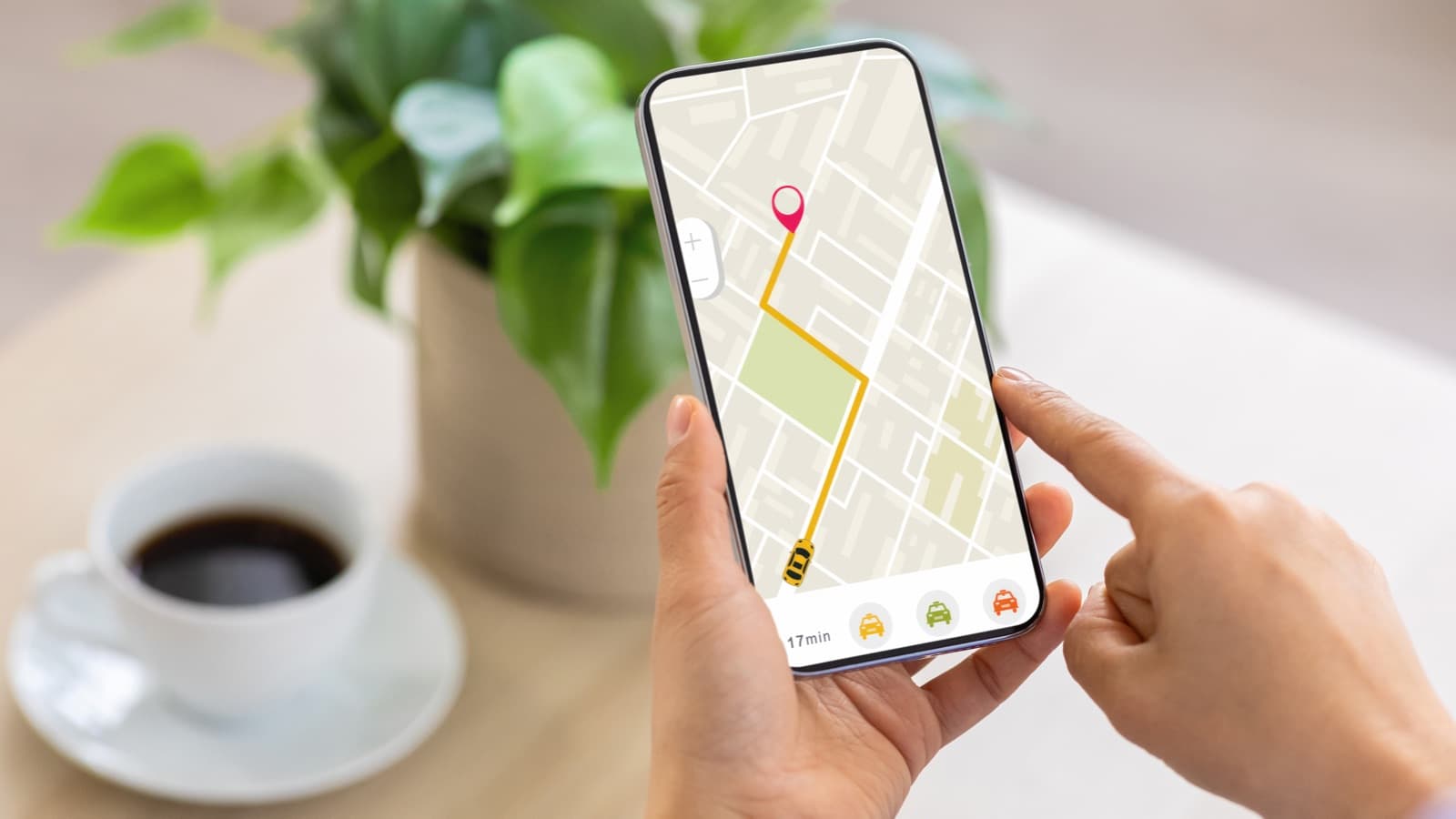
Searching for esketamine treatment nearby? The short version: esketamine — sold as Spravato — is a prescription nasal spray used for certain kinds of depression, and you can only receive it at a certified clinic with a healthcare team monitoring you. There's no picking it up at a pharmacy, no taking it at home. So "near me" really comes down to finding a Spravato-certified provider within a reasonable drive, because you'll be making the trip often — especially at first. At MindVibe Psychiatry, we provide Spravato treatment in Texas and California. Below, we'll cover how the medication works, who it's meant for, and what separates a legitimate clinic from the rest.
What is esketamine, and is it the same as ketamine?
The two are close relatives. Esketamine is one of the two mirror-image forms that make up the ketamine molecule. The FDA approved it in 2019 as a nasal spray — brand name Spravato — for adults with treatment-resistant depression.
And that FDA approval matters: it's what sets esketamine apart from most of the ketamine clinics you may have seen advertised. IV ketamine infusions for depression are usually prescribed off-label — the FDA has never specifically approved that use. Esketamine took a different path. It went through the FDA approval process for depression, and it's regulated under a safety program known as a REMS (Risk Evaluation and Mitigation Strategy). Under that program, esketamine can only be given at certified healthcare settings, and patients must be monitored on site after each dose.
Neither option is "better" for every person, but if you want a depression treatment that is FDA-approved, dosed consistently, and delivered inside a monitored medical setting, esketamine is the version designed for that.
Who is esketamine treatment for?
Esketamine is FDA-approved for two groups of adults:
- Adults with treatment-resistant depression. In practical terms, this usually means you have tried at least two different antidepressants at adequate doses and durations and haven't gotten enough relief.
- Adults with major depressive disorder who are experiencing depressive symptoms along with acute suicidal thoughts or behavior, as part of a broader treatment plan.
If you are having thoughts of suicide right now, please don't wait for an appointment. Call or text 988, the Suicide & Crisis Lifeline, any time, day or night. It's free and confidential.
A careful evaluation before starting matters more than most people realize. Depression symptoms can look similar across very different conditions. Depression that is actually part of bipolar disorder, for example, is treated differently, and a good prescriber will screen for that before recommending esketamine. Many people with hard-to-treat depression also live with anxiety or the lasting effects of trauma, and those pieces need their own attention in the treatment plan. That's why esketamine should come from a psychiatric practice that treats the whole picture — not a dosing station.
Why does esketamine have to be given in a clinic?
Esketamine can cause temporary but significant effects right after dosing: dissociation (feeling detached from your body or surroundings), sedation, dizziness, nausea, and a rise in blood pressure. Because of this, the FDA requires that every dose be given at a certified treatment center, with monitoring by the healthcare team for at least two hours afterward.
You also cannot drive or operate machinery until the next day, after a restful night's sleep. This isn't a suggestion — you'll need someone to drive you home or a rideshare arranged for every treatment day.
These rules can feel inconvenient, but they exist for good reasons, and they're also a useful screening tool when you're searching for a clinic. Any provider offering to mail you esketamine, let you dose at home, or skip the monitoring period is not following the FDA's requirements.
What actually happens at an esketamine appointment?
Here's a typical treatment day:
- Check-in and a brief assessment. The team checks your blood pressure and asks how you've been feeling since your last visit.
- You give yourself the nasal spray under the supervision of a healthcare professional. It's self-administered — the staff coaches you, but you control the device.
- You rest and are monitored for about two hours. Most clinics have a comfortable chair in a quiet room. Many people bring headphones or simply close their eyes. Staff check on you and monitor your blood pressure during this window.
- You're cleared to leave once the team confirms you're ready, and your ride takes you home.
Your clinic will give you instructions for treatment days, which typically include not eating for a couple of hours beforehand, since nausea can occur after dosing. Plan for the whole visit to take roughly two and a half hours.
How often will I need to go?
Esketamine follows a structured schedule. Treatment usually starts with an induction phase of two visits per week for the first four weeks. After that, visits typically move to once weekly, and then, depending on how you respond, to once weekly or once every two weeks as maintenance. How long you continue is an individual decision you'll make with your prescriber based on how you're doing.
This schedule is exactly why the "near me" part of your search matters. Twice-weekly visits are much easier to sustain when the clinic is genuinely close to home or work.
What side effects should I know about?
The most common effects happen shortly after dosing and generally ease before you leave the clinic:
- Dissociation or feeling "spacey" or detached
- Dizziness or vertigo
- Sleepiness or sedation
- Nausea
- Temporarily increased blood pressure
- Headache or numbness
Your team monitors all of this on site, which is one of the real advantages of the required clinic setting. Esketamine is a controlled substance, and because it's related to ketamine — a medication with known misuse potential — it's only dispensed and administered at the clinic, never sent home with you. If you have a history of substance use, bring it up honestly; it doesn't automatically rule you out, but your prescriber needs to know. (For what it's worth, practices experienced with medications like Suboxone tend to be comfortable having that conversation without judgment.)
Does insurance cover esketamine treatment?
Often, yes — but almost always with prior authorization. Insurers typically want documentation that you've tried other antidepressants first, which your prescriber's office helps assemble. Coverage details vary a great deal by plan, and there may be manufacturer support programs that reduce out-of-pocket costs for eligible patients. The most reliable way to get a real answer is to have a clinic verify your specific benefits; you can read about which insurance plans we accept or ask any clinic you're considering to run a benefits check before you commit.
How do I find a legitimate esketamine clinic near me?
Wherever you live, here's a practical checklist:
- Certified under the Spravato REMS program. This is non-negotiable — ask directly.
- A full psychiatric evaluation before treatment starts. Esketamine should be recommended after a diagnosis is confirmed, not sold on the first phone call. Conditions like OCD or ADHD alongside depression can change the overall plan even when esketamine is still appropriate.
- Ongoing psychiatric care, not just dosing. Esketamine works best as part of comprehensive depression treatment, which may include an oral antidepressant, therapy, or both.
- Proper monitoring. A quiet space, blood pressure checks, and staff present for the full two-hour observation window.
- Straight answers about cost and insurance before your first dose.
If you're in Texas or California, you can meet the clinicians on our team or request an appointment to find out whether esketamine is a fit for you. If you're elsewhere, this same checklist will help you evaluate clinics in your area.
Frequently asked questions
How quickly does esketamine work?
Responses vary from person to person. Some people notice a shift sooner than they have with oral antidepressants, while others need several treatments before they feel a difference — and some don't respond. Your prescriber will track your symptoms across the induction phase to see whether it's helping you.
Can I drive myself home after treatment?
No. You cannot drive until the next day, after a restful sleep. Arrange a ride for every treatment day.
Do I have to stop my current antidepressant?
Usually not. Esketamine is often prescribed alongside an oral antidepressant. Your prescriber will review your current medications and tell you exactly what to continue or adjust — don't stop anything on your own.
How long does each visit take?
Plan for about two and a half hours: check-in, dosing, and the required two-hour monitoring period.
Is esketamine addictive?
Esketamine is a controlled substance because ketamine-related medications carry misuse potential. The clinic-only model exists partly to manage that risk — every dose is administered on site and accounted for, and nothing goes home with you. Talk openly with your prescriber about any personal or family history of substance use.
What does treatment feel like?
Many people describe feeling floaty, dreamlike, or detached from their surroundings for a while after dosing. It can feel strange but is temporary, and staff are with you the whole time. Most people feel back to baseline before leaving, though you'll still need that ride home.
What if esketamine doesn't work for me?
Not responding to one treatment doesn't mean nothing will help. Other medication strategies, therapy approaches, and combinations remain on the table, and your care team should already be thinking about next steps as part of your overall depression care.
Can teenagers get esketamine?
Esketamine is FDA-approved for adults. If you're seeking help for a teen with depression, a psychiatric evaluation can identify age-appropriate options.
---
This article is for educational purposes only and is not medical advice, a diagnosis, or a treatment recommendation. Always talk with a licensed clinician about your specific situation. If you are in crisis or having thoughts of suicide, call or text 988 (Suicide & Crisis Lifeline) or go to your nearest emergency room.
Ready to discuss Spravato or next-step depression care?
MindVibe psychiatric clinicians can review prior antidepressant trials and explain whether a Spravato evaluation belongs in your plan.