
Medication Management
Non-Stimulant ADHD Meds: How Atomoxetine Differs From Stimulants
Not every ADHD medicine is a stimulant. Atomoxetine (Strattera) is not a controlled substance, takes up to a month to reach its full effect, and carries its own set of warnings. Here is how it differs from the stimulant class, who it may suit, and what to track in the first month.
What is a non-stimulant ADHD medication?
A non-stimulant ADHD medication treats attention and impulsivity without belonging to the stimulant class, and atomoxetine (Strattera) is an FDA-approved example. The FDA prescribing information for Strattera approves it for ADHD in adults and in children six and older, states that it is not a controlled substance, and reports that it showed no stimulant or euphoriant properties in abuse-potential studies. The trade-off is time: it builds up over weeks, and it carries its own warnings, including rare liver injury and effects on blood pressure and heart rate. This article explains how atomoxetine differs from stimulants, what to expect in the first month, and which side effects to report immediately.
How does atomoxetine differ from stimulant medication?
The difference starts with the drug class. The MedlinePlus patient information for atomoxetine describes it as a selective norepinephrine reuptake inhibitor, used as part of a total treatment program to increase the ability to pay attention and decrease impulsiveness and hyperactivity in children and adults with ADHD. Stimulants are a separate class of medicines, scheduled as controlled substances under federal law.
The second difference is atomoxetine's own timeline. MedlinePlus says you may notice improvement in your symptoms during the first week, but it may take up to one month to feel the full benefit. That changes how a first prescription should be judged: a week on atomoxetine is a data point, not a verdict.
What the two classes share is the goal, and the setting a prescriber puts them in. NIMH's overview of attention-deficit/hyperactivity disorder says standard ADHD treatment includes medication and psychosocial interventions such as cognitive behavioral therapy, and that symptoms begin in childhood and usually continue into the teen years and adulthood; which of those a given person needs is an individual decision. Neither class is better in the abstract: which fits you depends on your history and your prescriber's judgment.
Who might a prescriber consider for a non-stimulant?
The listed sources do not publish a decision rule, so this section stays with what they do say. The FDA label approves atomoxetine for adults and for children six and older, so age is not the deciding factor. The label's own warnings are: it asks prescribers to screen for bipolar disorder before starting, because the medicine can bring out manic or psychotic symptoms in people at risk, and it cautions against use in people with serious structural heart problems or other serious heart conditions. MedlinePlus adds that atomoxetine should not be taken with monoamine oxidase inhibitors, and that people with glaucoma, pheochromocytoma, or serious heart conditions should not take it.
Beyond those exclusions, the choice between a stimulant and a non-stimulant is individual. A prescriber weighs your other conditions, your other medicines, your history with any earlier ADHD treatment, and your own preferences. If you have not been formally evaluated, that comes first; our article on what an adult ADHD evaluation involves describes the process, and our overview of how ADHD is evaluated and treated covers the full range of options.
What side effects should you expect in the first month?
MedlinePlus lists the common side effects of atomoxetine as heartburn, nausea, vomiting, loss of appetite, weight loss, constipation, stomach pain, dry mouth, excessive tiredness, dizziness, headache, mood swings, and decreased sex drive. Several of those are gastrointestinal and tend to be most noticeable early. Appetite and weight are worth tracking from the start, because a change you notice at the follow-up visit is easier to act on than one you reconstruct from memory.
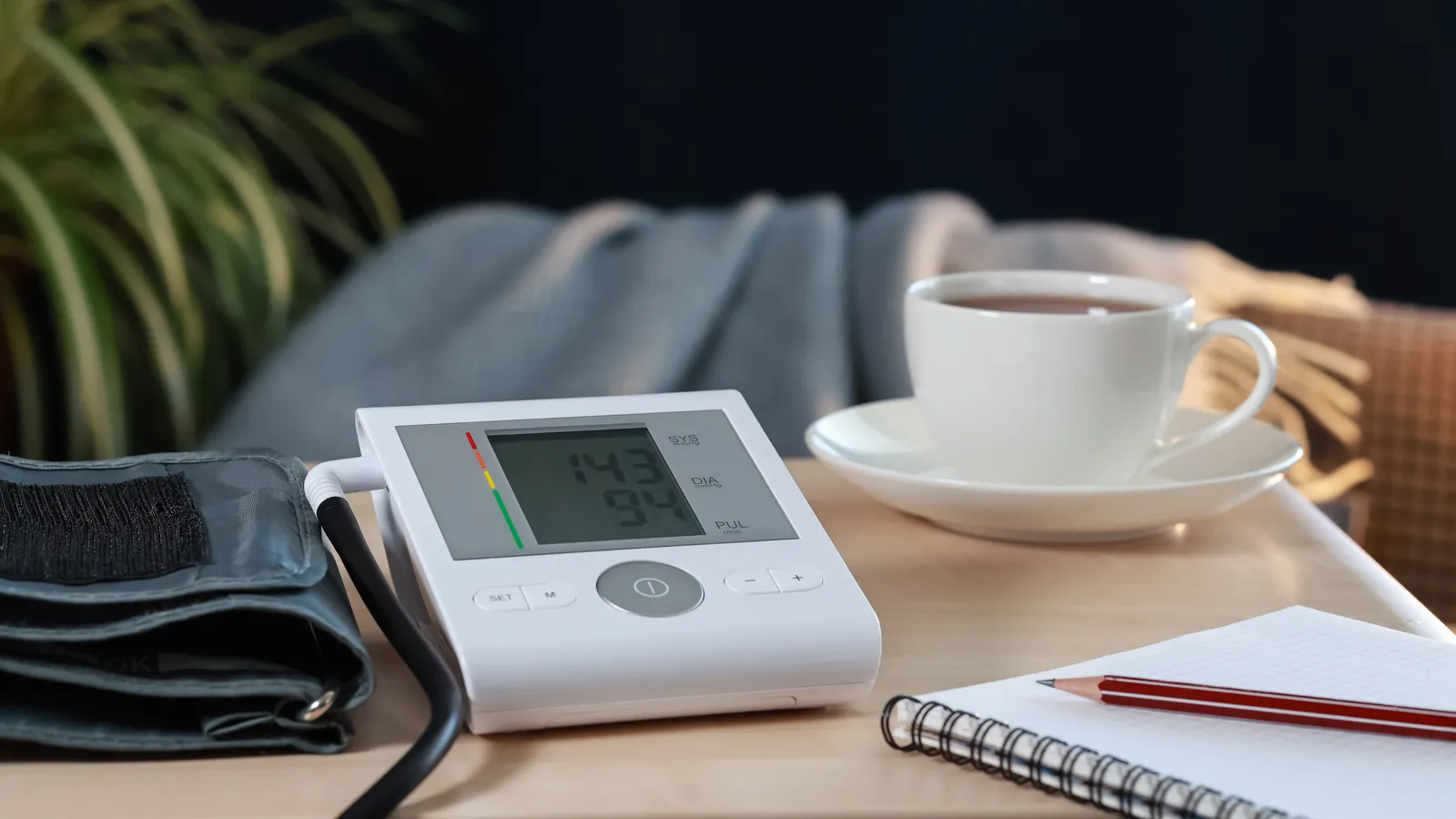
The FDA label adds that atomoxetine can increase blood pressure and heart rate, and asks that both be measured before starting and checked during treatment. If you have a blood pressure cuff at home, a weekly reading on the same day and time gives your prescriber something to work with. If your mood changes in either direction, if you feel unusually irritable or hostile, or if the first weeks feel worse rather than better, say so; our article on feeling worse on a new psychiatric medication explains why that early conversation matters.
Which side effects mean you should call right away?
A few of atomoxetine's warnings are rare but serious, and the label describes them so patients know what to report. MedlinePlus says to call your doctor immediately for a fast or pounding heartbeat, chest pain, difficulty breathing, dizziness, weakness or numbness, itchy skin, dark urine or yellowing of the skin or eyes, flu-like symptoms, upper abdominal pain, swelling, hoarseness, an erection that lasts for several hours, or seizures.
The reason for several of those is in the label's warnings. Dark urine, yellowing of the skin or eyes, flu-like symptoms, and upper stomach pain can be signs of severe liver injury, which the label describes as rare but serious enough to warrant stopping the medicine. Chest pain, a racing heart, and shortness of breath track the label's warnings about serious cardiovascular reactions and about increases in blood pressure and heart rate. Itching, swelling, and hoarseness can be signs of an allergic reaction. A prolonged erection is listed under priapism. None of these should be waited out.
What about the suicide warning?
Atomoxetine carries an FDA boxed warning. The label states that it increased the risk of suicidal thoughts in children and adolescents with ADHD in short-term studies, and that all pediatric patients taking it should be monitored closely for suicidal thoughts and behavior, especially in the first months and after dose changes. MedlinePlus describes the warning signs to watch for: new or worsening depression, withdrawal, hopelessness, and thinking or talking about harming or killing oneself. Families and caregivers should watch for these changes too. MindVibe sees patients aged 13 and up, and atomoxetine is FDA-approved from age six, so this warning applies directly to teens starting it.
If you or someone you know is thinking about suicide or is in crisis, call or text 988 to reach the 988 Suicide & Crisis Lifeline. It is free, confidential, and available around the clock. If someone is in immediate danger, call 911.
How should you judge whether it is working?
Give it the label's timeline. MedlinePlus says the full benefit may take up to one month, so plan a check-in around that point rather than deciding in the first days. Before the visit, write down what you hoped would change, and then what actually did: whether you finish tasks you used to abandon, whether you lose fewer things, whether your attention holds through a meeting or a page, and whether people around you have noticed. Note the side effects on the same page, with dates. A prescriber can do far more with "nausea for the first ten days, then gone; appetite still down" than with "it was rough."
Never stop, start, or switch an ADHD medication on your own; talk with your prescriber. If you are starting from scratch, have not been evaluated, or want a second opinion on a plan you already have, you can book a visit with a psychiatric provider to talk through whether a non-stimulant fits your situation.
This article is for educational purposes only and is not medical advice, a diagnosis, or a substitute for care from a licensed clinician. Never stop, start, or switch a medication on your own; talk with your prescriber. In a crisis, or if you are having thoughts of suicide, call or text 988 to reach the 988 Suicide & Crisis Lifeline, or go to the nearest emergency room.
Frequently asked questions
Is atomoxetine a controlled substance?
No. The FDA prescribing information for Strattera states that atomoxetine is not a controlled substance, and reports that in abuse-potential studies it was not associated with stimulant or euphoriant properties. That is the clearest practical difference between it and the stimulant class, which is scheduled under federal law.
How long does atomoxetine take to work?
The MedlinePlus patient information says you may notice improvement during the first week, but that it may take up to one month to feel the full benefit. A non-stimulant asks for patience and a planned check-in rather than a day-by-day verdict.
Can adults take Strattera, or is it only for children?
Both. The FDA label approves atomoxetine for ADHD in adults and in pediatric patients six years of age and older. Adult ADHD is real; the National Institute of Mental Health notes that symptoms begin in childhood and usually continue into the teen years and adulthood.
What are the most common atomoxetine side effects?
MedlinePlus lists heartburn, nausea, vomiting, loss of appetite, weight loss, constipation, stomach pain, dry mouth, tiredness, dizziness, headache, mood swings, and decreased sex drive among the common side effects. Many are most noticeable early. Report the ones that do not settle, and report any of the serious signs described above right away.
Why would a prescriber choose a non-stimulant over a stimulant?
The listed sources do not rank the two classes, and neither does this article. What they establish is that atomoxetine is not a controlled substance, builds up over weeks, and has its own warnings, while stimulants are scheduled medicines. Which fits you depends on your history, other conditions, and other medicines, which is a decision for you and your prescriber.
Can I stop atomoxetine if it is not helping after two weeks?
Two weeks is earlier than the label's timeline for full benefit, which MedlinePlus puts at up to one month. Do not stop or change the dose on your own; call your prescriber, describe what you are and are not noticing, and ask whether to wait, adjust, or switch. That call is also the moment to mention side effects that are getting in the way.
Ready for a MindVibe psychiatry visit?
MindVibe offers psychiatric evaluations and medication management online and in person in Texas and California.