
Medication Management
Psychiatric Care Across Two States: What to Arrange Before You Leave
Many Coachella Valley residents leave when the heat arrives. Here is how to keep a psychiatric medication plan intact across the move, and the three decisions to make before you pack.
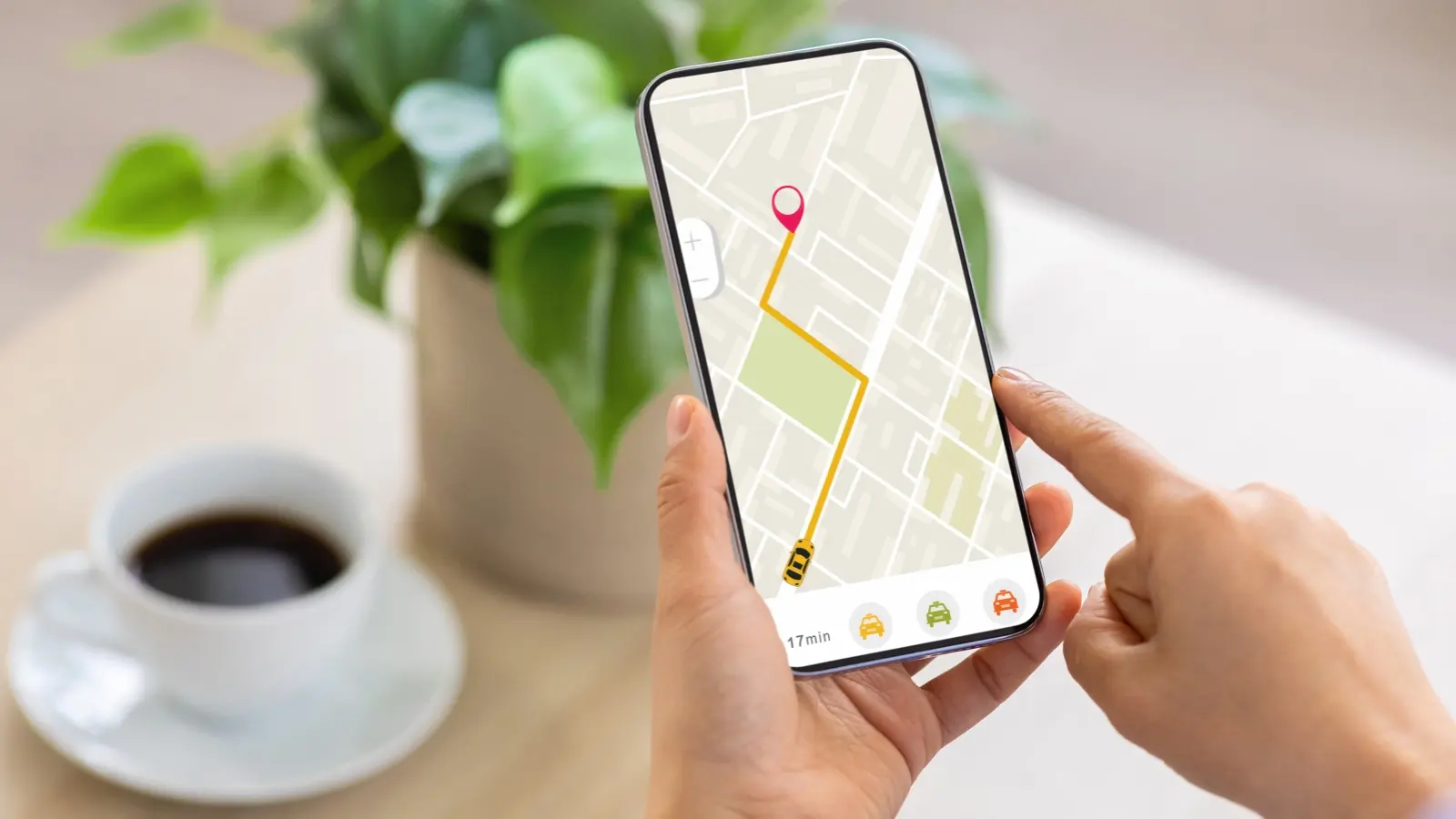
Can psychiatric treatment stay continuous when I live in two states?
Yes, if three things are decided before you leave rather than after: which prescriber owns your medication plan, how the refills that fall during your months away will be written, and whether the clinician you see in Palm Desert can lawfully see you where you will be sitting. None of these sort themselves out on their own. Each is a short conversation at your last visit before the move, and each becomes a scramble if it is left until a pharmacy in another state says the prescription has run out.
Why does a seasonal move break psychiatric care in particular?
Most medical care tolerates a gap. A blood pressure prescription can be written for a long stretch, and a primary care visit can slip by a few months without much consequence. Psychiatric medication management is built differently. Doses are adjusted in steps, the interval between visits is part of the treatment, and stopping some medications abruptly produces its own symptoms, which are easy to mistake for a relapse.
Then add the calendar seasonal residents keep. People arrive in Palm Desert, Indio, Rancho Mirage or Cathedral City in the fall, settle in through the winter and spring, and leave as the heat builds in May. A treatment plan that only accounts for the Palm Desert months is a plan with a hole in it for the rest of the year.
The hole shows up in predictable ways: a refill request from a pharmacy the office has never heard of, a prescriber in the other state who has not seen the current dose, or a follow-up due in July that never happened because nobody owned scheduling it.
Who should be prescribing my medication while I am away?
Decide this first, because everything else follows from it. There are two workable arrangements.
One prescriber for the whole year. Your Palm Desert psychiatric provider owns the prescribing for the whole year, writing every prescription and adjusting every dose. Follow-up visits for the months you are away can be held by video when that is clinically appropriate, if that provider is licensed in the state you will be in. This keeps a single record of your treatment and suits medications that are stable and reviewed at regular intervals.
One prescriber in each state, with one of them in charge. You keep a clinician near your other home for the months there and the Palm Desert office for the months here. This is common and it works, but only in a specific configuration: both prescribers know the other exists, records move between them, and exactly one of them makes changes to the plan. The other refills and watches.
What does not work is the arrangement people fall into by accident: two prescribers who each believe they are managing the medication, neither reading the other's notes, and a patient in the middle translating between them. A dose goes up in one state and, three months later, goes up again in the other, because the second prescriber was looking at an outdated list. If you have been in that situation, the fix is not a better prescriber. It is to name one as the owner and tell the other.
Bring your full medication list and the name of your other prescriber to your first visit at our Palm Desert office, and say plainly which months you are here. That one sentence changes how the follow-up schedule is built.
Can I keep my Palm Desert appointments by video from my other home?
Sometimes, and this is the question people most often assume the answer to. A prescriber's license is tied to a state, and it is where the patient is on the day of the visit that governs, not where the clinician sits or where the relationship began. MindVibe practices in California and Texas, but a license belongs to the individual clinician, not to the practice. So the question is not whether the practice works in your other state; it is whether your own provider is licensed there. Ask that directly, of your provider here and of any prescriber near your other home, and settle it before you go, not when a visit is already booked.
We are not going to tell you what another state permits; that is a question for a prescriber licensed there. What the office can do is answer plainly whether your provider can see you where you will be, and if the answer is no, send your records and a written medication summary to the prescriber near your other home once you sign a release, so that clinician starts from the current plan rather than an old list.
The format itself is not the obstacle. A follow-up can be held by video when that is clinically appropriate and your provider is licensed where you are. The constraint is geography, not technology.
What happens to my refills when I leave in May?
Work backwards from your departure date. At your last in-person visit before leaving, ask three things.
First, how many days of medication you will have on the day you leave, counting what is in the bottle and what is still fillable. Second, which pharmacy near your other home should receive future prescriptions, so the office can send them there instead of to the store you use in winter. Third, which prescriber will write the next one, so the request goes to someone who is expecting it.
If your Palm Desert provider is the year-round owner, the practical detail is confirming that a prescription written here can be filled at the out-of-state pharmacy you plan to use. Pharmacies handle this differently, so call the one near your other home and ask before you leave.
Controlled medications need their own plan, and it should be made in person at the office before the move. Prescriptions for those medications carry additional rules about refill quantities, early fills and which pharmacies will honor a prescription from an out-of-state prescriber, and those rules are not the same everywhere. If you take one, raise it at your last visit here, and expect that the prescriber near your other home may need to take over that particular prescription for the months away.
Insurance is the other refill variable. A plan that covers your pharmacy on Highway 111 may treat an out-of-state pharmacy as out of network, and mail-order can sometimes bridge that. You can check which plans the office accepts, including Medicare, and your plan's member line can tell you which pharmacies work in both states.
What should I arrange before I leave, and in what order?
A month or two before you go, book one more in-person visit here. Use it to:
- Confirm who owns the prescribing for the months away, and have it recorded in the chart.
- Update your medication list, including anything a primary care doctor or specialist has added since your last visit.
- Give the office your other pharmacy and your other prescriber's contact details, and sign the release that lets records move between them.
- Ask for a written summary of your current medications and doses to hand to the other prescriber.
- Decide now: is your next follow-up a video visit with us, or in person with the other prescriber?
- Before you leave, book your first fall appointment back here, so the date actually exists on a calendar.
Two or three weeks before you go, check that the last Palm Desert refill has been filled and that your other pharmacy has your current prescription on file.
The week you leave, do one final count: the pills in the bottle against the days until your next scheduled visit or refill. If the medication runs out before the plan picks it up, call the office before you get in the car, while a gap is still easy to close.
When you return in the fall, expect the first visit back to run a little longer. Anything the other prescriber changed needs to be reviewed and the chart brought back into one story. If a full season has passed and the plan has shifted, a fresh psychiatric evaluation may make more sense than a routine follow-up.
Is any of this different if I'm treated for depression, anxiety or bipolar disorder?
The mechanics are the same, but the tolerance for gaps is not.
For anxiety treatment, the most common problem is a medication running out abruptly, which produces symptoms that feel like the anxiety returning and lead people to restart at the wrong dose. Ask before you leave what to do if a refill is delayed by a few days, so you have the answer in advance.
For depression treatment, the risk is the missed follow-up. Antidepressant adjustments are judged over weeks, and if the visit meant to assess a dose change falls in the months you are away and nobody owns it, the change is never assessed. Put that visit on the calendar with a named prescriber.
For bipolar disorder, medication monitoring often involves lab work, and lab work does not travel by itself. Decide which prescriber orders labs during the months away, which lab you will use there, and how results reach the person who reads them. This is exactly the situation where two prescribers each assuming the other ordered the labs leaves nobody holding a result.
Does this apply to Spravato or other in-person treatment?
Yes, and more strictly. Spravato is given in the office under observation, not dispensed to take home, and our Palm Desert office is a REMS-certified Spravato site. If you're partway through a course of Spravato treatment, either the session schedule needs to fit within the months you're here, or a certified site near your other home must be arranged in advance. That is a conversation for the start of treatment, not the week before you leave. The same logic applies to any treatment that requires being in the room.
What if I stay in the desert through the summer?
Some patients do, and the heat is a real reason follow-ups drift. A routine medication follow-up may be held by video when that is clinically appropriate and your provider is licensed where you are, so the drive from Desert Hot Springs or Cathedral City in triple-digit heat does not have to be the reason a visit is skipped. New evaluations and appointments where a medication is being changed are generally better done in person, and the office can tell you which category your next visit falls into.
Every medication-management visit here includes therapy with your psychiatric provider, roughly 25 to 30 minutes. You can read about the clinicians who provide this care before your first visit.
What if something goes wrong while I am away?
If you run out of medication, call the office that owns your prescribing first, not the pharmacy. The pharmacy can only fill what it has been sent. Tell the office where you are and which pharmacy is nearest, and ask about a bridge supply while the longer arrangement is sorted.
If you notice symptoms returning or getting worse, do not wait for the fall visit. Contact whichever prescriber is nearest to where you are. If you are having thoughts of harming yourself, or someone you are with is, call or text 988, the Suicide & Crisis Lifeline. It is available anywhere in the United States, in either of your states, at any hour.
If you are new to the practice and planning your first winter here, you can book a first appointment and mention that you split the year, so the follow-up schedule is built around it from the start.
This article is for educational purposes only and is not a substitute for individual medical advice. It does not diagnose any condition or recommend any specific medication. Talk with your own psychiatric provider about your treatment — and do it before you change how you take any prescribed medication.
Frequently asked questions
Once I'm back at my other home, can my Palm Desert psychiatric provider still see me by video? Only if your own provider is licensed in the state you are physically in on the day of the visit. A license belongs to the individual clinician, not to the practice, so ask your provider here directly and settle it before you leave rather than assuming. If the answer is no, the office can send your records and a written medication summary to a prescriber near your other home once you sign a release.
Is it a problem to have a prescriber in each state? Not by itself. It becomes a problem when both prescribers adjust the same medication without reading each other's notes. It works when both know the other exists, records move between them, and exactly one of them owns changes to the plan while the other refills and monitors.
How far ahead should I plan before leaving the desert for the season? Book one more in-person visit a month or two before you go. Use it to name the prescriber who owns your plan, update your medication list, give the office your other pharmacy and prescriber, sign a records release, and set the date of your first visit back in the fall.
What do I do if I run out of medication while I am away? Call the office that owns your prescribing first, not the pharmacy. Tell them where you are and the nearest pharmacy, and ask about a bridge supply while the longer arrangement is sorted. If symptoms are returning, contact whichever prescriber is nearest to you rather than waiting for the fall visit.
I split the year between two homes — can a Spravato course keep going? Spravato is administered in the office under observation, and Palm Desert is a REMS-certified Spravato site. A course has to fit within the months you are here, or a certified site near your other home has to be arranged in advance. Raise it at the start of treatment, not the week before you leave.
Do I have to come into the office in the summer if I stay in the desert? Not necessarily. A routine medication follow-up may be held by video when that is clinically appropriate and your provider is licensed where you are. New evaluations and visits where a medication is being changed are generally better done in person, and the office can tell you which category your next visit falls into.
Ready for a MindVibe psychiatry visit?
MindVibe offers psychiatric evaluations and medication management online and in person in Texas and California.